Define the brief
Agree target market, format, benchmark, claim direction, pack and expected volume.
Develop your shampoo, conditioner, facial cleansing and body wash bar collection. Explore product presentations, packaging directions and the technical brief for your market.
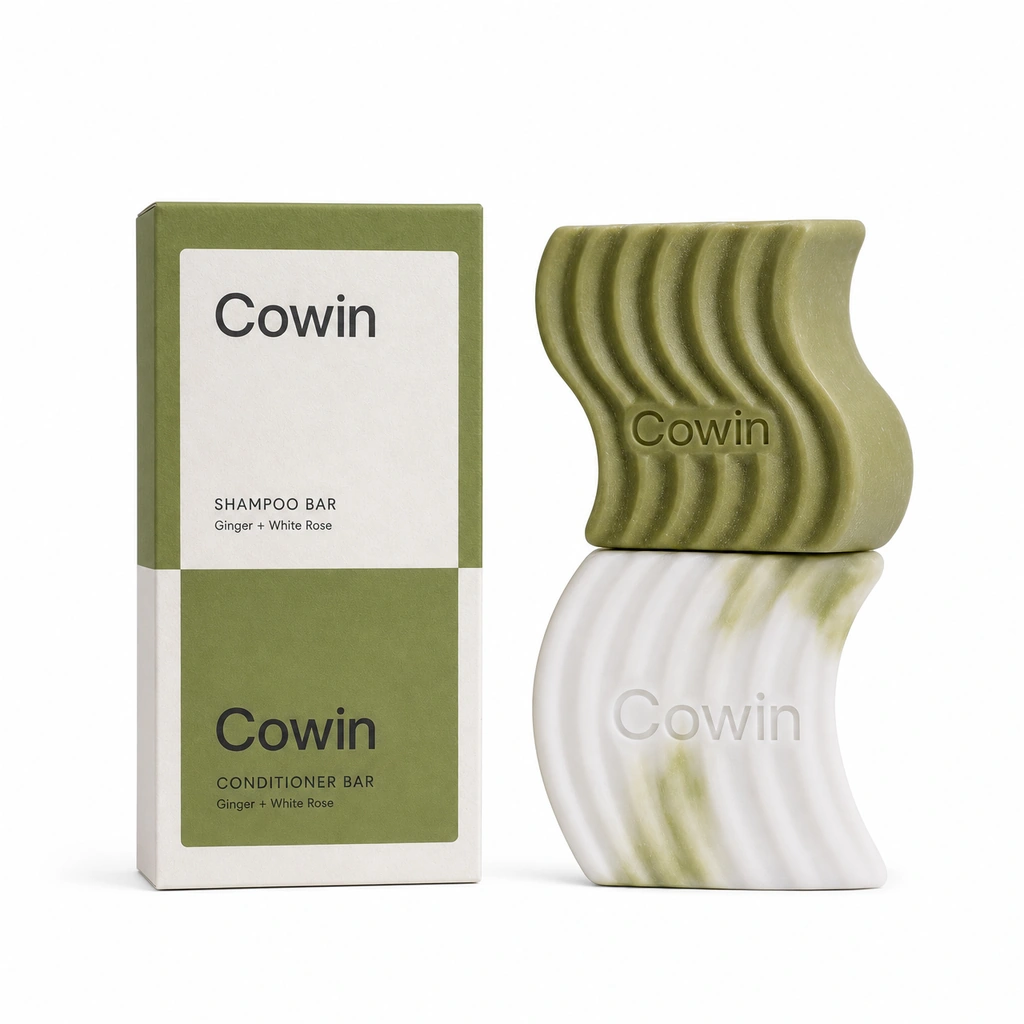
Agree target market, format, benchmark, claim direction, pack and expected volume.
Compare samples for performance, sensory feel, stability and consumer use conditions.
Review formula and pack compatibility, safety assessment needs and final artwork.
Confirm specifications, commercial terms, batch checks and release documentation.
Four product collections. A clear starting point for your brief.
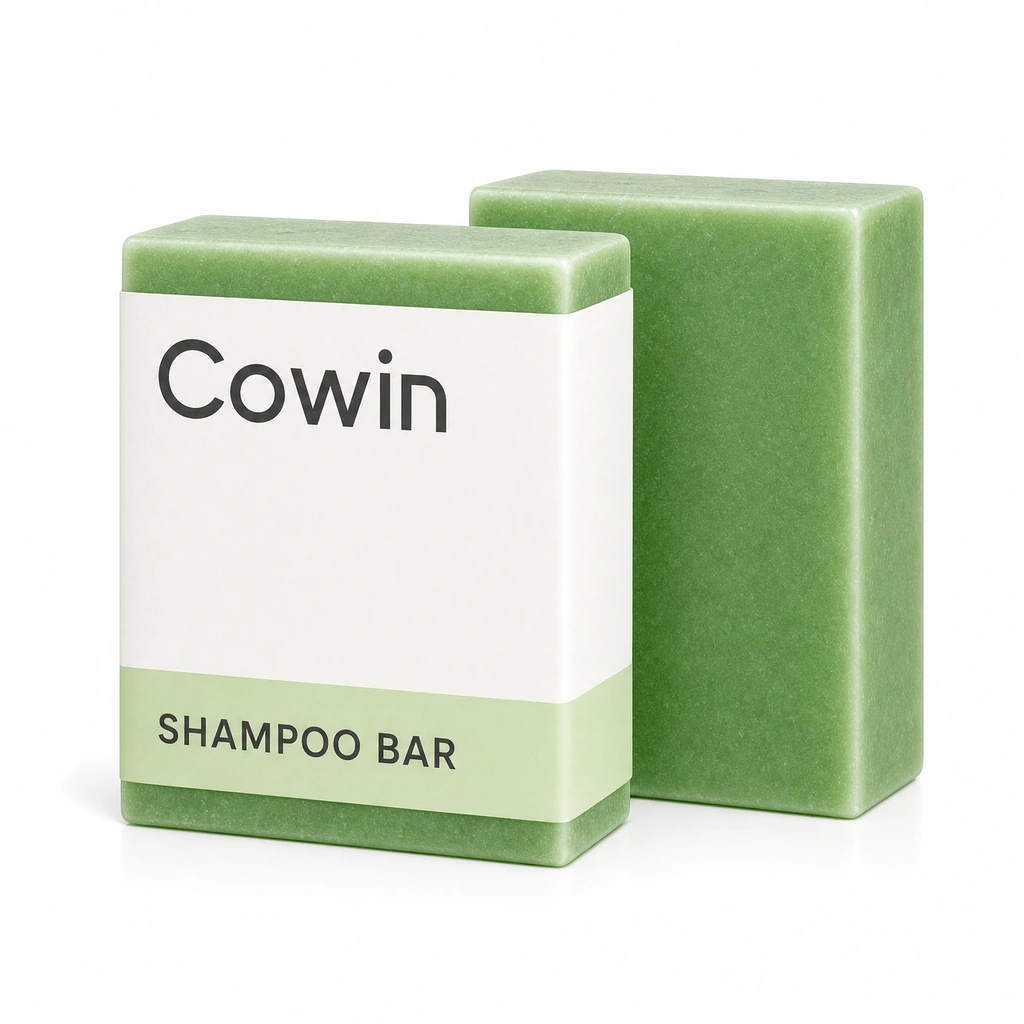
Compare syndet and soap-based shampoo bar routes, cleansing performance, wet-combing feel and storage needs. Match the formula to your intended hair types and destination market.
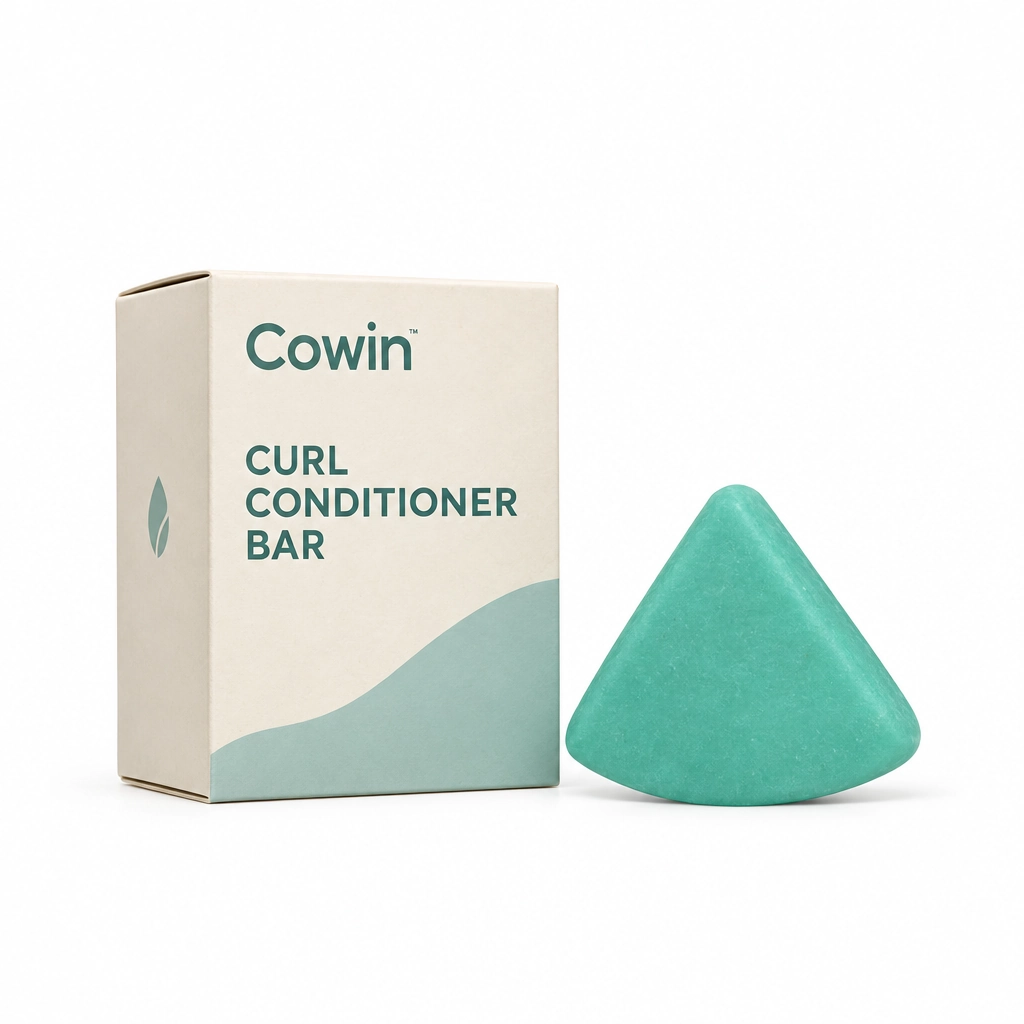
Develop rinse-off conditioner bars around slip, detangling, payoff and rinse feel. Review deposition on your target hair types together with pack compatibility.
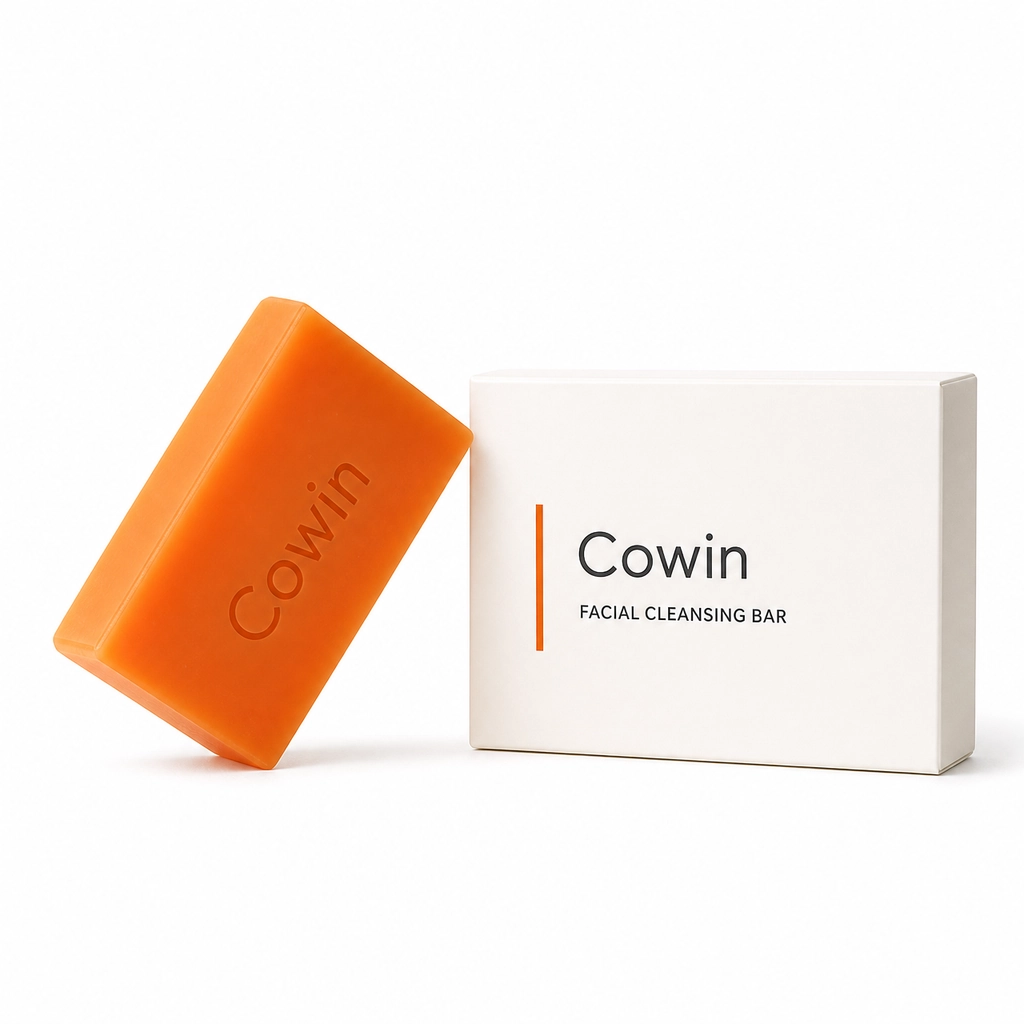
Plan syndet facial bars and body cleansing bars around pH, cleansing balance, lather and rinse feel. Mildness and sensitive-skin claims need evidence on the final formula.
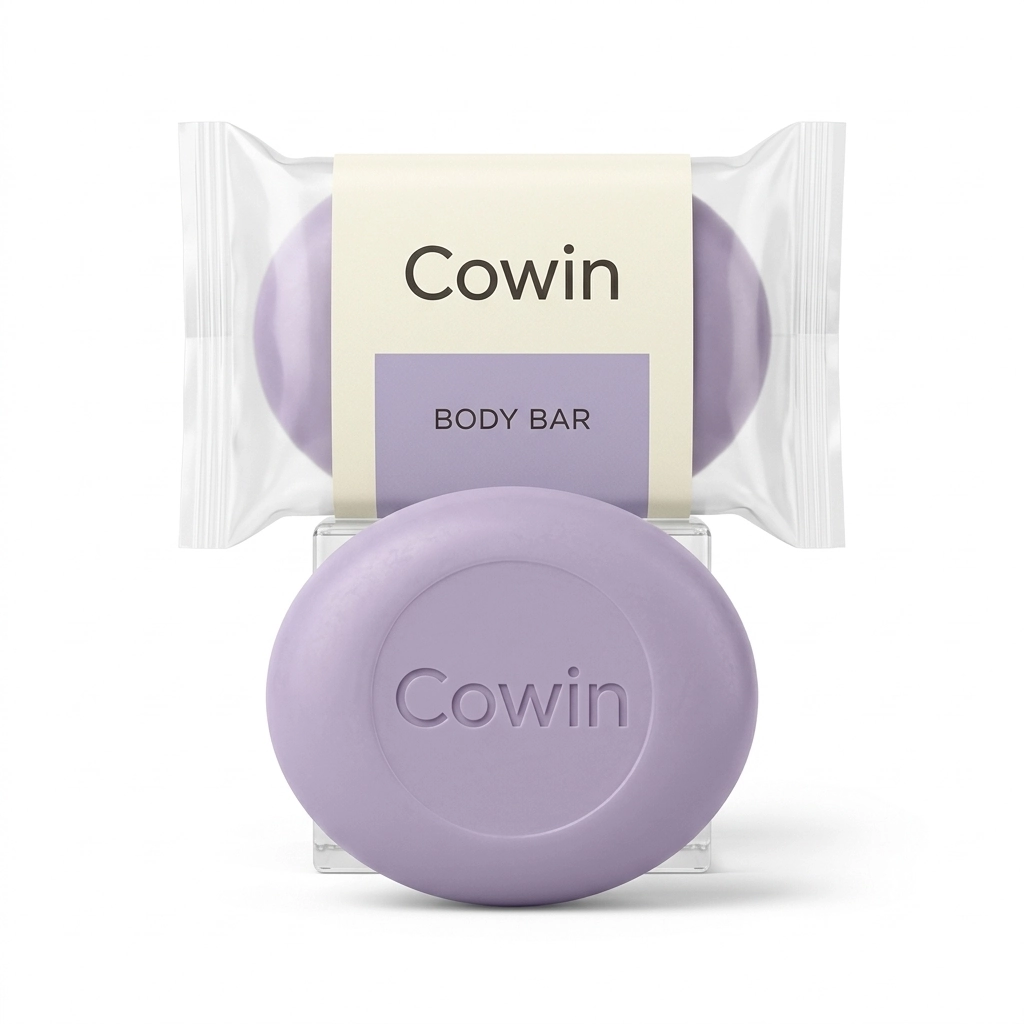
Explore body cleansing bars, wrapped soap formats, gift packs and bath presentations. Compare shape and packaging, then confirm the formula, intended use and project requirements with your brief.

Waterless describes a formulation approach, not a safety guarantee. Define the checks needed for the formula, packaging and intended use.
Request current, scope-specific evidence. Certifications and product claims are subject to verification.
Start here, then refine the details for your product and market.
Typical routes include shampoo bars, conditioner bars, facial and body cleansing bars, anhydrous balm sticks, solid body oils and powder cleansers. Technical feasibility should be confirmed for each brief.
No. Environmental performance depends on ingredients, manufacturing, packaging, transport and use. Any comparative claim requires appropriate evidence and a defined scope.
These are different development routes. A private-label project starts from an available base; custom development adds formulation and validation work. Confirm availability, cost and scope before approval.
Tell us what you want to make, who it is for and how it will be used.
Build your project brief ↗